
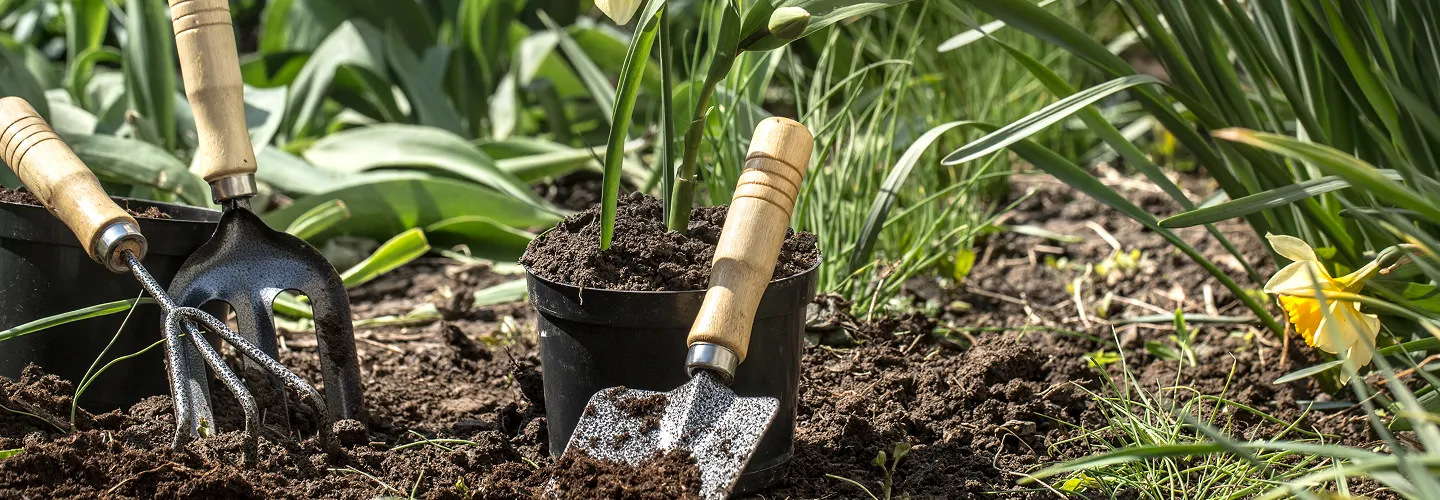
Ingram Sod Installation Services
With years of expertise and a commitment to quality, our skilled team delivers lush, perfectly installed sod that instantly elevates your property's curb appeal — giving you a beautiful, healthy lawn you can enjoy from day one, backed by reliable service and lasting results you can trust.
Our Ingram Landscaping & Yard Care Services
When to Schedule Sod Installation in Ingram, Texas – Seasonal Guide
Ingram, Texas, with its unique blend of Hill Country terrain and microclimates, requires careful planning when it comes to sod installation. The optimal time for laying new sod is typically in late spring or early fall, when soil temperatures are warm enough to encourage root establishment but before the peak of summer heat or winter frost. Neighborhoods near the Guadalupe River or close to Ingram City Park often experience higher humidity and occasional morning fog, which can benefit new sod but also require attention to drainage and soil aeration.
Local environmental factors such as the region’s rocky soils, variable shade from mature oak and pecan trees, and the risk of late spring frosts all play a role in determining the best installation window. Homeowners in areas like Skyline Acres or along Junction Highway should also consider municipal watering restrictions and the potential for drought conditions, which can impact sod survival. For more detailed local guidelines, refer to the official resource.
Local Factors to Consider for Sod Installation in Ingram
- Tree density and shade coverage, especially in established neighborhoods
- Soil composition (rocky, clay, or sandy soils)
- Proximity to the Guadalupe River and flood-prone areas
- Average precipitation and drought risk
- Municipal watering schedules and restrictions
- Terrain slope and drainage patterns
- Frost dates and seasonal temperature swings
Benefits of Sod Installation in Ingram
Instant Lush Green Lawn
Professional Sod Installation Experts
Erosion Control & Soil Protection
Increased Property Value
Low Maintenance Landscaping Solution
Year-Round Sod Installation Services
Ingram Sod Installation Types

Bermuda Grass Sod
-
Fescue Sod
-
Zoysia Grass Sod
-
St. Augustine Sod
-
Kentucky Bluegrass Sod
-
Centipede Grass Sod
-
Buffalo Grass Sod
Our Sod Installation Process
Site Evaluation
Soil Preparation
Grading & Leveling
Sod Laying
Seam Rolling & Pressing
Initial Watering
Why Choose Ingram Landscape Services
Ingram Homeowners Trust Us
-
Years of Landscape Expertise
-
Competitive and Transparent Pricing
-
Licensed and Professional Team
-
Satisfaction Guarantee on Every Job
-
Personalized Service for Every Property
-
Reliable and On-Time Service
-
Locally Owned and Operated in Ingram
Coordinating Sod Installation Projects with Ingram's Municipal Infrastructure and Public Works
Sod installation in Ingram requires coordination with municipal services, particularly when work occurs near public rights-of-way, drainage infrastructure, or city-maintained roadways. The City of Ingram Public Works department oversees street maintenance and municipal infrastructure, and residents should verify whether proposed grading or irrigation modifications affect stormwater flow along city-maintained ditches or drainage channels. Properties adjacent to the Guadalupe River corridor or Johnson Creek may fall within areas monitored by the Upper Guadalupe River Authority, which manages watershed protection and water quality throughout the basin. Before beginning subgrade preparation, property owners should confirm that excavation or regrading will not redirect runoff onto neighboring parcels or into municipal drainage systems.
- Verify setback and grading requirements near public rights-of-way through the city before beginning earthwork
- Confirm that irrigation tap connections comply with local water utility standards
- Coordinate debris removal and soil hauling to avoid obstructing city streets or drainage inlets
City of Ingram Public Works
Official Website: City of Ingram Public Works
Upper Guadalupe River Authority
Official Website: Upper Guadalupe River Authority
How Ingram's Hill Country Limestone Soils and Heat Shape Sod Installation
Ingram sits in the Central Texas Hill Country within USDA Hardiness Zone 8b, where conditions differ substantially from the blackland prairies and Gulf Coast flats found elsewhere in the state. The USDA Web Soil Survey indicates that soils in the Ingram area are predominantly shallow, limestone-derived, and calcareous, often with exposed rock shelves and limited topsoil depth. These conditions create specific challenges for sod rooting and irrigation management.
- Alkaline pH: Hill Country soils commonly register pH levels above 7.5, which can limit iron and nutrient uptake in certain turf species and may require soil amendment before laying sod
- Shallow bedrock and rocky subgrade: Many Ingram lots feature thin soil profiles over fractured limestone, making uniform grading difficult and limiting root penetration without imported topsoil
- Semi-arid rainfall pattern: Annual precipitation in the Ingram area averages roughly 30–33 inches, with extended dry periods in summer and unpredictable heavy rainfall events that produce rapid runoff on sloped terrain
- Extreme summer heat: Daytime temperatures regularly exceed 100°F from June through August, placing severe stress on newly installed sod that has not yet established root contact with the subgrade
These factors make subgrade preparation, soil depth verification, and irrigation uniformity critical steps before any sod is placed. The Texas A&M AgriLife Extension provides region-specific guidance on turf species suited to alkaline Hill Country soils, including bermudagrass and buffalograss cultivars that tolerate drought and limestone-derived substrates.
Navigating Ingram's Local Ordinances and Environmental Compliance for Sod Installation
Property owners in Ingram should review the City of Ingram Municipal Code before beginning sod installation projects that involve significant grading, fill importation, or irrigation system modifications. While routine residential sod replacement on an existing lawn may not trigger formal permitting, projects that alter drainage patterns, involve work within utility easements, or affect public right-of-way areas may require coordination with city officials. Specific municipal code provisions accessible through the city's codified ordinances should be reviewed for any applicable land-disturbance or property-maintenance standards.
- Stormwater runoff from freshly graded sites must not carry sediment into roadside ditches, creek channels, or storm inlets; the Clean Water Act establishes federal baseline protections for waterways, and the TCEQ Phase II MS4 program extends stormwater quality requirements to many Texas communities
- Any commercial applicator applying fertilizer or pre-emergent herbicide to newly sodded areas must hold appropriate credentials under the Texas Department of Agriculture's pesticide licensing program
- Irrigation systems installed as part of a sod project should comply with local water utility rules, including any drought-stage restrictions that may limit watering days or hours
Kerr County Engineer
Official Website: Kerr County Engineer
Timing Sod Installation around Ingram's Drought Cycles and Freeze Windows
Professional sod installation in the Hill Country requires careful attention to seasonal timing, turf species selection, and establishment irrigation protocols. The AggieTurf program at Texas A&M provides research-based guidance on warm-season turf establishment that applies directly to Ingram's climate.
- Optimal installation window: Late spring through early summer (April through mid-June) provides the strongest rooting period for warm-season grasses before peak heat arrives; early fall (September through mid-October) offers a secondary window as temperatures moderate
- Turf species selection: Bermudagrass and buffalograss perform well in Ingram's alkaline, well-drained soils; St. Augustinegrass may be used in irrigated, partially shaded areas but requires more water and is less drought-tolerant on shallow Hill Country substrates
- Subgrade preparation: The site should be graded to a minimum of 4–6 inches of quality topsoil over limestone or rocky subgrade, with positive drainage away from structures at a slope of roughly 1–2 percent
- Establishment irrigation: Newly laid sod typically requires daily watering for the first 7–14 days to maintain soil moisture at the root interface, followed by a gradual reduction to encourage deeper rooting; watering restrictions may vary by utility schedule and drought stage
- Runoff-safe watering: On sloped Hill Country lots, irrigation should be applied in shorter, repeated cycles to prevent runoff from carrying loose soil or fertilizer into drainage channels or creek corridors
Avoid installing sod during the hottest weeks of July and August unless continuous irrigation coverage can be guaranteed, as exposed sod pallets and freshly laid turf can desiccate within hours under direct Hill Country sun.
What Neighborhoods Do We Serve Throughout Ingram, TX?
- Ingram Hills: Properties in this area often feature sloped terrain and shallow limestone soils that require imported topsoil and careful grading before sod can establish uniform root contact.
- Old Ingram / Highway 39 Corridor: Older residential lots along the Guadalupe River corridor may have mature tree canopy creating shade challenges, making turf species selection and irrigation placement especially important.
- Johnson Creek Area: Proximity to Johnson Creek means sod installation on these properties must account for floodplain adjacency, erosion control, and sediment management to protect water quality.
- Highway 27 Residential Areas: Lots along the main corridor through Ingram tend to have higher visibility and may be subject to property-maintenance standards outlined in the municipal code.
- West Ingram / Kerr County Estates: Larger rural-residential parcels in the western portions of the Ingram area often have well water irrigation systems and rocky terrain requiring more extensive site preparation before sod placement.