
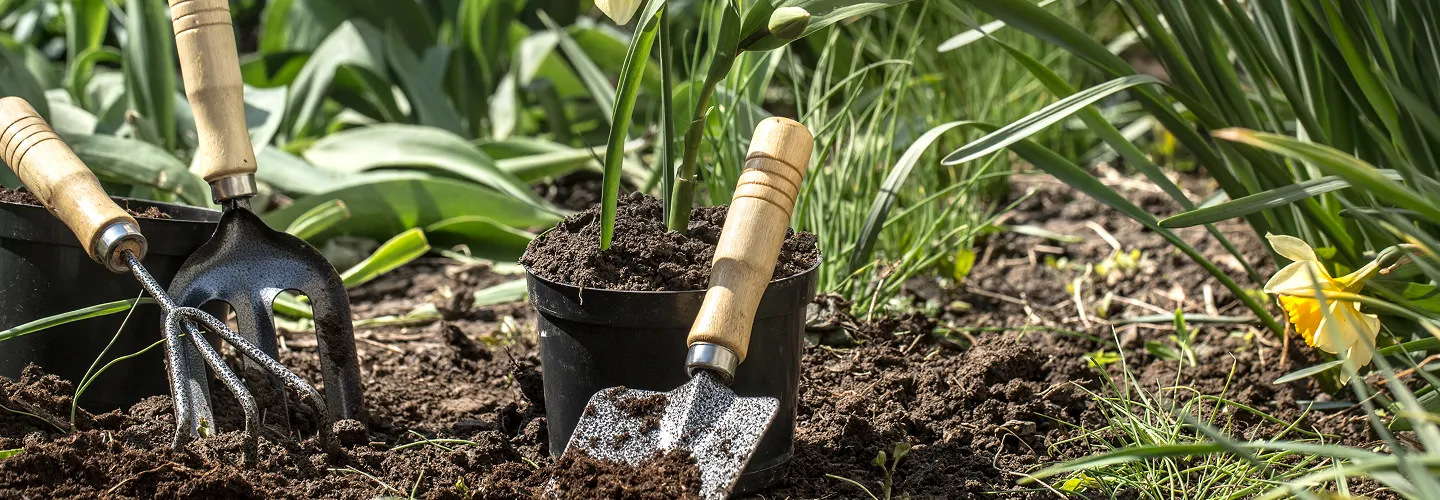
Ingram Lawn Installation Services
With years of expertise, premium-grade materials, and a commitment to customer satisfaction, our lawn installation team delivers flawless results that enhance your home's curb appeal and create a vibrant, healthy lawn you'll enjoy for years to come.
Our Ingram Landscaping & Yard Care Services
When to Schedule Lawn Installation in Ingram, Texas – Seasonal Guide
Choosing the right time for lawn installation in Ingram, Texas, is essential for achieving a healthy, resilient yard. Ingram’s climate features hot summers, mild winters, and variable rainfall, making early spring and early fall the most favorable periods for new sod or seed. These seasons offer moderate temperatures and increased soil moisture, which help new grass establish strong roots before the intense summer heat or occasional winter frosts arrive.
Local factors such as the proximity to the Guadalupe River, the shade provided by mature oaks in neighborhoods like Cypress Springs Estates, and the unique Hill Country soil composition all play a role in determining the best installation window. Homeowners should also consider recent drought patterns and municipal watering guidelines, which can impact both timing and long-term lawn health. For more information on local environmental guidelines, visit the Sudbury municipal site.
Local Factors to Consider for Lawn Installation in Ingram
- Tree density and shade coverage, especially in areas near Ingram City Park
- Soil type and drainage, common in Hill Country terrain
- Average precipitation and risk of drought
- Frost dates and seasonal temperature swings
- Municipal watering restrictions and local ordinances
- Slope and terrain variations affecting water runoff
Benefits of Lawn Installation in Ingram
Professional Lawn Installation Experts
Enhanced Curb Appeal & Property Value
Drought-Resistant Turf Options Available
Affordable Landscaping Solutions in Ingram
Fast & Reliable Installation Services
Year-Round Lawn Care & Maintenance Support
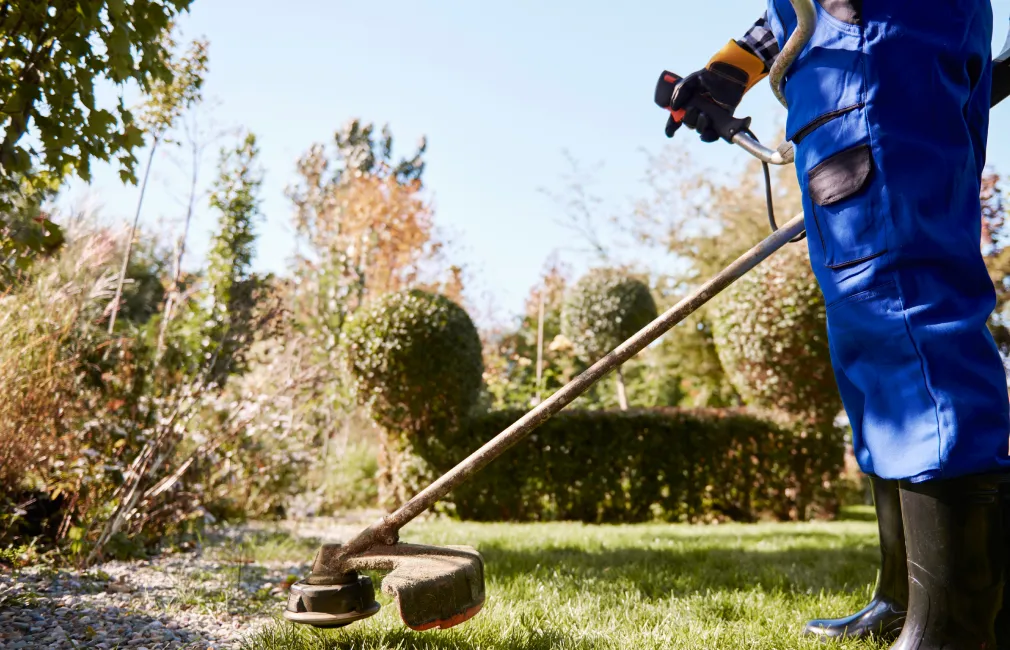
Ingram Lawn Installation Types

Sod Installation
-
Seed Lawn Installation
-
Hydroseeding
-
Artificial Turf Installation
-
Drought-Resistant Lawn Installation
-
Bermuda Grass Installation
-
Zoysia Grass Installation
Our Lawn Installation Process
Site Evaluation
Design & Planning
Ground Preparation
Soil Amendment
Lawn Installation
Final Inspection
Why Choose Ingram Landscape Services
Ingram Homeowners Trust Us
-
Years of Landscape Expertise
-
Competitive and Transparent Pricing
-
Licensed and Professional Team
-
Satisfaction Guarantee on Every Job
-
Personalized Service for Every Property
-
Reliable and On-Time Service
-
Locally Owned and Operated in Ingram
Coordinating Lawn Installation Projects with Ingram's Municipal Infrastructure and Public Works
Lawn installation in Ingram requires coordination with municipal departments and regional authorities, particularly given the city's position along the Guadalupe River corridor in the Texas Hill Country. Before beginning grade preparation or soil work, property owners should verify whether the project area intersects any public right-of-way, drainage easement, or utility corridor. The City of Ingram Public Works department oversees street maintenance and municipal infrastructure, and any lawn installation that involves grading near roadside ditches, culverts, or stormwater conveyances should be reviewed with that office to avoid disrupting drainage flow.
- Confirm that soil import, fill placement, or regrading does not redirect runoff toward neighboring properties or public infrastructure
- Verify setback and easement boundaries before installing irrigation lines or placing sod near city rights-of-way
- Coordinate disposal of excavated rock, caliche, or construction debris through approved channels rather than depositing material in drainage ways
The Upper Guadalupe River Authority also serves as a regional resource for watershed protection guidance, particularly for properties adjacent to Johnson Creek, the Guadalupe River, or their tributaries.
City of Ingram Public Works
Official Website: City of Ingram Public Works
Upper Guadalupe River Authority
Official Website: Upper Guadalupe River Authority
How Ingram's Hill Country Limestone Soils and Heat Shape Lawn Installation
Ingram sits within USDA Hardiness Zone 8b in the Central Texas Hill Country, where environmental conditions present distinct challenges for lawn establishment. The region's soils are predominantly shallow, alkaline, and limestone-derived, often featuring thin topsoil layers over fractite or caliche substrata. These conditions limit root penetration and require careful soil amendment before turf can establish successfully.
- Alkaline pH: Hill Country soils commonly register pH levels above 7.5, which can restrict iron and nutrient uptake in certain turf species; soil testing through the Texas A&M AgriLife Extension is strongly recommended before installation
- Shallow bedrock and rocky subgrade: Many Ingram properties encounter limestone ledge within inches of the surface, requiring imported topsoil or engineered growing media to support adequate root depth
- Semi-arid precipitation patterns: Ingram averages roughly 30–34 inches of annual rainfall, with extended dry periods during summer when temperatures regularly exceed 100°F; irrigation infrastructure is essential for establishment
- Slope and runoff: The hilly terrain accelerates surface runoff, making erosion control during the establishment window critical, especially on lots that drain toward creeks or low-water crossings
These conditions favor warm-season grasses such as bermudagrass, buffalograss, and zoysiagrass, which tolerate alkaline soils, heat stress, and periodic drought once established.
Navigating Ingram's Ordinances and Environmental Compliance for Lawn Installation
Property owners undertaking lawn installation in Ingram should review the City of Ingram Municipal Code for any applicable provisions related to grading, drainage alteration, or land disturbance. While routine residential lawn installation may not trigger a formal permit in smaller municipalities, projects involving significant regrading, fill importation, or changes to stormwater flow patterns may require coordination with the Kerr County Engineer for drainage review.
- Any commercial applicator applying fertilizer or soil amendments during lawn installation must comply with the Texas Agriculture Code, Chapter 63, which governs commercial fertilizer distribution and labeling
- Pesticide or herbicide applications during site preparation require proper licensing under the Texas Department of Agriculture's pesticide licensing program
- Properties near the Guadalupe River, Johnson Creek, or mapped floodplain areas should ensure that soil disturbance and irrigation runoff do not introduce sediment or nutrients into waterways, consistent with federal Clean Water Act protections
- Erosion control measures such as silt fencing or erosion blankets should remain in place until turf coverage reaches at least 70 percent density
Kerr County Engineer
Official Website: Kerr County Engineer
Timing Lawn Installation around Ingram's Drought Cycles and Freeze Windows
Professional lawn installation in the Hill Country demands precise timing to align with Ingram's climate patterns. The optimal establishment window for warm-season sod—bermudagrass, zoysiagrass, or buffalograss—falls between late April and early June, when soil temperatures consistently exceed 65°F and the turf enters its most vigorous growth phase. Installing sod during peak summer heat (July through August) is possible but requires substantially more irrigation to prevent desiccation before roots anchor.
- Grade preparation: Remove existing vegetation, rocks, and debris; establish a smooth, positive-drainage grade sloping away from structures at a minimum of one percent where feasible
- Soil amendment: Incorporate two to four inches of quality topsoil or compost into limestone-derived subgrade to improve moisture retention and root penetration
- Irrigation coverage: Verify full head-to-head sprinkler coverage before sod delivery; gaps in irrigation on Hill Country slopes lead to rapid turf loss during dry spells
- Sod placement: Lay sod within 24 hours of harvest, stagger seams, and roll to ensure full soil contact; avoid installation on days when temperatures exceed 100°F unless immediate irrigation is available
- Establishment watering: Water newly installed sod deeply and frequently during the first two weeks, then gradually reduce frequency to encourage deep rooting; consult AggieTurf for species-specific irrigation guidance
- Fall installations: A secondary window exists from mid-September through mid-October, allowing roots to establish before the first freeze, which typically occurs in late November or December in Kerr County
Avoid installing sod during active drought-stage water restrictions without first confirming that the local water utility permits establishment watering exemptions.
What Neighborhoods Do We Serve Throughout Ingram, TX?
- Ingram Hills: Properties in this area often feature sloped lots with shallow limestone soils, requiring imported topsoil and careful grading to support successful turf establishment on hillside terrain.
- Old Ingram: Older residential lots near the historic district may have mature tree canopy and compacted soils, necessitating shade-tolerant turf selection and thorough soil preparation before sod placement.
- Highway 39 Corridor: Homes along this corridor experience higher reflected heat from pavement and may require enhanced irrigation coverage and heat-tolerant bermudagrass or zoysiagrass varieties.
- Johnson Creek Area: Properties adjacent to Johnson Creek must prioritize erosion control and sediment containment during lawn installation to protect the riparian corridor and downstream water quality.
- Riverfront Properties along the Guadalupe: These lots demand careful grade management and floodplain awareness, with turf species selected for periodic inundation tolerance and rapid recovery after high-water events.
- West Ingram Residential Areas: Larger rural-residential lots in western portions of the city limits may benefit from buffalograss or native turf blends that reduce long-term irrigation demand on well-water systems.