
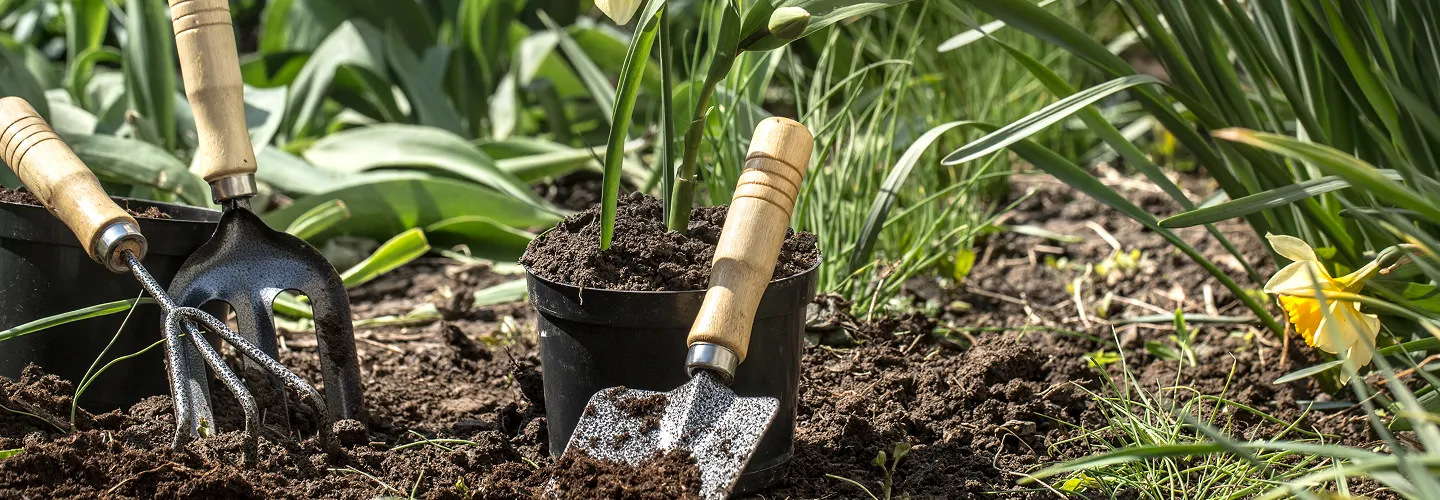
Ingram Lawn Leveling Services
With years of expertise and a commitment to precision, Ingram Lawn Leveling delivers flawless, even surfaces that enhance your property's beauty, improve drainage, and create a safer outdoor space for your family — all backed by exceptional customer service and results you can see.
Our Ingram Landscaping & Yard Care Services
When to Schedule Lawn Leveling in Ingram, Texas – Seasonal Guide
Ingram, Texas, with its unique blend of Hill Country terrain and microclimates, requires careful timing for lawn leveling to ensure optimal results. The best periods for this service are typically late spring and early fall, when soil temperatures are warm enough to encourage grass recovery but before the intense summer heat or winter frosts set in. Neighborhoods near the Guadalupe River or close to Ingram City Park often experience higher humidity and occasional flooding, which can impact soil compaction and the timing of lawn care services.
Local environmental factors such as the region’s clay-heavy soils, variable shade from mature oaks in areas like Skyline Drive, and the risk of late spring frosts all play a role in determining the right window for lawn leveling. Homeowners should also consider municipal guidelines and water restrictions, which can be found on the official town website, to ensure compliance and maximize the effectiveness of their lawn improvements.
Local Factors to Consider for Lawn Leveling in Ingram
- Tree density and shade coverage, especially in established neighborhoods
- Soil type and drainage, with clay soils requiring different preparation than sandy areas
- Seasonal precipitation patterns and drought risk
- Proximity to water sources like the Guadalupe River
- Municipal restrictions on water usage or landscaping activities
- Terrain slope and risk of erosion during heavy rains
Benefits of Lawn Leveling in Ingram

Professional Lawn Leveling Experts in Ingram
Improved Drainage & Water Management
Enhanced Curb Appeal & Property Value
Safer & More Usable Outdoor Spaces
Affordable Landscaping Solutions Near You
Long-Lasting Results with Quality Materials

Ingram Lawn Leveling Types

Topdressing Lawn Leveling
-
Sand-Based Leveling
-
Soil Amendment Leveling
-
Grading and Resloping
-
Core Aeration Leveling
-
Rolling and Compaction Leveling
-
Overseeding with Leveling
Our Lawn Leveling Process
Site Inspection & Assessment
Soil Testing & Analysis
Grading & Leveling
Topsoil Application
Seeding & Fertilizing
Final Cleanup & Review
Why Choose Ingram Landscape Services
Ingram Homeowners Trust Us
-
Years of Landscape Expertise
-
Competitive and Transparent Pricing
-
Licensed and Professional Team
-
Satisfaction Guarantee on Every Job
-
Personalized Service for Every Property
-
Reliable and On-Time Service
-
Locally Owned and Operated in Ingram
Coordinating Lawn Leveling Projects with Ingram's Public Works and County Engineering
Lawn leveling in Ingram requires coordination with municipal and county departments, particularly when grading work affects drainage flow near streets, rights-of-way, or adjacent properties. Because Ingram is a small Hill Country community situated at the confluence of Johnson Creek and the Guadalupe River, even modest changes in yard grade can redirect surface water toward neighboring lots or public infrastructure. Before beginning any leveling project, property owners should confirm whether the scope of work intersects with municipal drainage easements or county road shoulders by consulting the appropriate departments.
- Verify whether proposed grade changes affect any municipal drainage easement or right-of-way along your property frontline
- Coordinate with the Kerr County Engineer's office if the property borders a county-maintained road or drainage channel
- Confirm that excess soil, fill material, or displaced turf debris will not be deposited in roadside ditches, creek banks, or storm inlets
- Review the City of Ingram Municipal Code for any applicable property maintenance or grading provisions before starting work
City of Ingram Public Works
Official Website: City of Ingram Public Works
Kerr County Engineer
Official Website: Kerr County Engineer
How Ingram's Hill Country Limestone Soils and Slopes Affect Lawn Leveling
Ingram falls within the Central Texas Hill Country region, classified in USDA Hardiness Zone 8b, and its landscape presents distinct challenges for lawn leveling. The soils in and around Ingram are predominantly shallow, limestone-derived, and alkaline, often featuring thin topsoil layers over fractured limestone bedrock. These conditions create three primary concerns for leveling work.
- Shallow bedrock and rocky subsoil: Many Ingram properties have only a few inches of usable topsoil before encountering caliche or limestone fragments, making conventional grading difficult and sometimes requiring imported topsoil or compost blends to build a workable surface
- Slope and rapid runoff: The hilly terrain common throughout Ingram means that leveled areas must be carefully graded to prevent accelerated sheet runoff toward Johnson Creek, the Guadalupe River, or neighboring properties
- Drought-driven soil shrinkage: During extended dry periods—common from June through September—thin Hill Country soils lose moisture rapidly, causing surface cracking and settlement that can undo previous leveling work
- Alkaline pH: Soil pH in the Ingram area typically ranges above 7.5, which influences the selection of fill material and topdressing blends used during leveling; imported material should be tested for compatibility with existing soil chemistry
Data from the USDA Web Soil Survey can help property owners identify the specific soil series present on their lot before planning leveling work. The Upper Guadalupe River Authority also provides watershed protection guidance relevant to properties near creek corridors.
Navigating Ingram's Regulatory Framework for Lawn Leveling and Drainage Compliance
Lawn leveling in Ingram must comply with local ordinances and broader environmental regulations, particularly where grading work could affect stormwater flow or water quality in the Guadalupe River watershed. Property owners and contractors should be aware of the following regulatory considerations:
- The Ingram Municipal Code contains provisions related to property maintenance, nuisance conditions, and land disturbance that may apply to leveling projects involving significant soil movement or fill importation
- Under the Clean Water Act, sediment-laden runoff from grading sites must not enter waterways; this is especially relevant in Ingram given the proximity of many residential properties to Johnson Creek and the Guadalupe River
- The TCEQ Phase II MS4 stormwater program establishes construction-site runoff standards that may apply when leveling work disturbs larger areas or involves commercial properties
- Any fertilizer or soil amendment applied during or after leveling should comply with guidance from Texas Agriculture Code, Chapter 63 regarding commercial fertilizer use
Upper Guadalupe River Authority
Official Website: Upper Guadalupe River Authority
Property owners should verify current requirements with the city before beginning work, particularly on lots adjacent to floodplain areas or creek buffers.
Timing Lawn Leveling Around Ingram's Drought Cycles and Warm-Season Growth
Professional lawn leveling in Ingram should be timed to coincide with active warm-season turf growth and favorable moisture conditions. The dominant turf species in the Hill Country—bermudagrass and, to a lesser extent, buffalograss and zoysiagrass—establish and recover most effectively during their peak growth periods.
- Optimal leveling window: Late April through early June, when warm-season grasses are actively growing and soil temperatures consistently exceed 65°F, allowing turf to recover quickly from topdressing and grade adjustment
- Avoid mid-summer leveling: July and August heat in Ingram regularly exceeds 95°F, and drought stress during these months can prevent turf recovery and cause newly placed fill to dry and crack before integration
- Fall secondary window: September through mid-October may offer a brief secondary opportunity if early fall rains arrive, though turf growth slows as temperatures decline
- Topdressing material: A sandy loam or compost-sand blend is generally preferred over heavy clay fill; applications should not exceed approximately half an inch per pass to avoid smothering existing turf crowns
- Scalping prevention: Leveling corrects the low spots that cause mower scalping, but the fill material must be worked into the turf canopy gradually rather than applied in a single heavy layer
- Irrigation coordination: After leveling, light and frequent irrigation promotes fill settlement and turf recovery; property owners should monitor any applicable drought-stage watering restrictions through their local water utility
Guidance from Texas A&M AgriLife Extension and AggieTurf provides regionally calibrated recommendations for topdressing rates and turf recovery management in Hill Country conditions.
What Neighborhoods Do We Serve Throughout Ingram, TX?
- Ingram Hills: Properties in this area often feature sloped lots with thin topsoil over limestone, requiring careful grade assessment and erosion-conscious leveling techniques near hillside drainage paths.
- Old Ingram / Highway 39 Corridor: Older residential lots along the historic corridor frequently exhibit settlement and uneven turf surfaces from decades of use, with mature tree root systems that complicate grading work.
- Johnson Creek Area: Homes near Johnson Creek face heightened runoff sensitivity, and any leveling work must account for floodplain proximity and sediment control to protect the creek channel.
- Riverside Drive and Guadalupe River Properties: River-adjacent lots often have alluvial sandy loam soils that shift seasonally, making periodic leveling necessary but also requiring careful attention to bank stabilization and watershed protection.
- West Ingram / FM 1340 Vicinity: Properties along the western edges of Ingram tend toward larger rural-residential lots with mixed terrain, where leveling may involve both open lawn areas and transitional zones near native brush and cedar.