
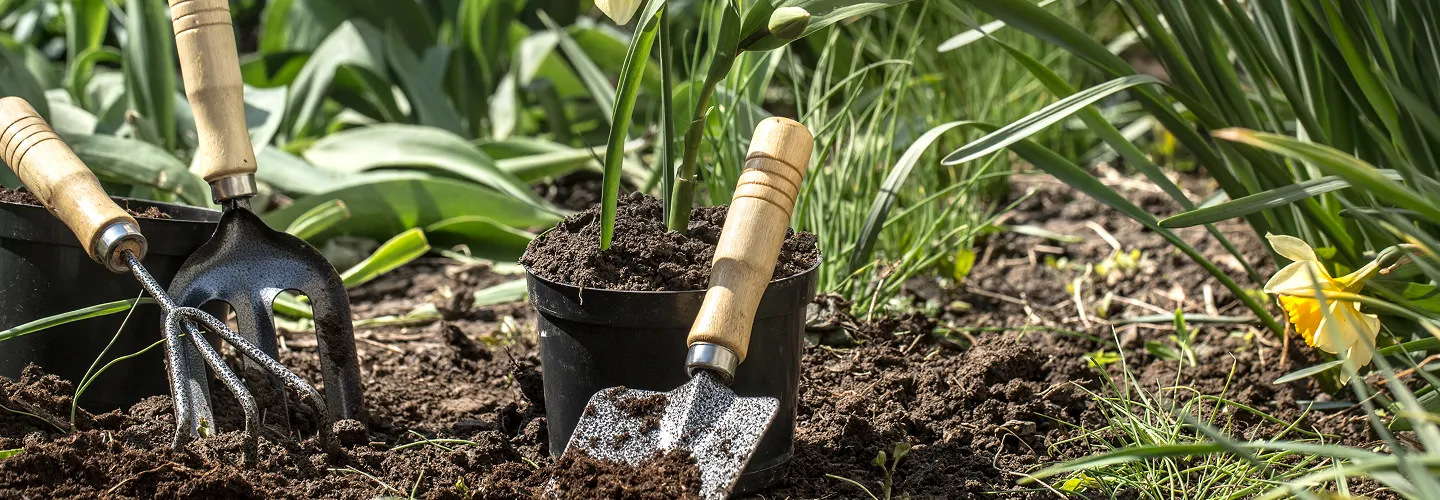
Ingram Flower Planting Services
With years of expertise and a passion for beautiful blooms, our skilled team delivers stunning, long-lasting flower arrangements tailored to your landscape — ensuring vibrant curb appeal, healthier gardens, and a personalized touch that makes your outdoor space truly stand out.
Our Ingram Landscaping & Yard Care Services
When to Schedule Flower Planting in Ingram, Texas – Seasonal Guide
Ingram, Texas, with its unique blend of Hill Country climate and diverse landscapes, requires careful planning for flower planting to ensure vibrant, long-lasting blooms. The optimal times for planting are typically in early spring, after the last frost date, and in early fall, when temperatures begin to cool but before the first freeze. These windows allow flowers to establish strong root systems before facing the heat of summer or the chill of winter. Neighborhoods near Johnson Creek and the areas surrounding Ingram Dam often experience microclimates, so it's important to monitor local weather patterns closely.
Local environmental factors such as late spring frosts, periodic drought conditions, and varying soil types—from rocky outcrops near Old Ingram Loop to richer soils in the River Road area—play a significant role in determining the best planting schedule. Humidity levels and shade coverage, especially under the dense canopies of cypress and oak trees, can also impact flower health. For more detailed local climate data, homeowners can consult resources like the Sudbury municipal website.
Local Factors to Consider for Flower Planting in Ingram
- Proximity to large trees and resulting shade coverage
- Soil composition and drainage, especially in creekside neighborhoods
- Average precipitation and risk of drought during summer months
- Frost dates and temperature fluctuations in spring and fall
- Terrain elevation and exposure to wind
- Any municipal restrictions or water usage guidelines
Benefits of Flower Planting in Ingram
Expert Flower Planting Services in Ingram
Boost Your Curb Appeal with Professional Landscaping
Locally Owned & Trusted Ingram Landscapers
Affordable Flower Bed Installation & Design
Year-Round Garden Maintenance & Care
Custom Planting Plans Tailored to Your Property
Ingram Flower Planting Types

Annual Flower Planting
-
Perennial Flower Planting
-
Seasonal Flower Bed Installation
-
Native Wildflower Planting
-
Container & Raised Bed Planting
-
Bulb Planting
-
Ornamental Garden Design
Our Flower Planting Process
Site Evaluation
Soil Preparation
Flower Selection
Planting & Spacing
Mulching & Watering
Why Choose Ingram Landscape Services
Ingram Homeowners Trust Us
-
Years of Landscape Expertise
-
Competitive and Transparent Pricing
-
Licensed and Professional Team
-
Satisfaction Guarantee on Every Job
-
Personalized Service for Every Property
-
Reliable and On-Time Service
-
Locally Owned and Operated in Ingram
Coordinating Flower Planting Projects with Ingram's Municipal Departments and Resources
Flower planting in Ingram requires awareness of the city's municipal framework, particularly when work occurs near public rights-of-way, park-adjacent properties, or drainage corridors along the Guadalupe River and Johnson Creek. Residents and property managers should coordinate with the City of Ingram Public Works department before placing flower beds or amending soil near municipal infrastructure such as curb inlets, roadside ditches, or stormwater conveyance areas. Excess soil, mulch, or organic debris from planting projects must not be deposited into street drainage features or allowed to migrate into waterways. The city's codified ordinances, accessible through the City of Ingram Municipal Code, may contain provisions related to property maintenance, vegetation standards, and right-of-way use that affect flower planting placement and upkeep.
- Verify setback and right-of-way boundaries before installing beds along street frontages or sidewalks
- Confirm green waste and soil disposal procedures through Public Works before hauling organic material
- Review any applicable property maintenance standards in the municipal code prior to large-scale planting
- Coordinate with the Upper Guadalupe River Authority when planting near creek banks or floodplain edges to ensure watershed protection
City of Ingram Public Works
Official Website: City of Ingram Public Works
How Ingram's Hill Country Limestone Soils and Climate Shape Flower Planting
Ingram sits in the Central Texas Hill Country within USDA Hardiness Zone 8b, where the semi-arid climate, alkaline soils, and intense summer heat create specific challenges for flower planting. The region's soils are predominantly shallow, limestone-derived, and calcareous, with a pH that commonly ranges from 7.5 to 8.2. These alkaline conditions can induce iron chlorosis in acid-loving species and limit nutrient availability for plants not adapted to high-calcium substrates. Property owners can reference the USDA Web Soil Survey for site-specific soil data before selecting species or amending beds.
- Alkaline, rocky soils: Shallow limestone substrates drain rapidly but hold limited organic matter, requiring compost incorporation at planting time
- Summer heat intensity: Afternoon temperatures regularly exceed 100°F from June through August, demanding heat-tolerant species and afternoon shade consideration
- Erratic rainfall: Annual precipitation averages roughly 30 inches but arrives unevenly, with flash-flood potential along creek corridors and extended dry spells between rain events
- Freeze exposure: Hard freezes can occur from late November through early March, and late-season cold snaps threaten tender annuals planted too early in spring
- Deer pressure: The Hill Country's dense white-tailed deer population frequently damages unprotected flower plantings, making species selection and physical barriers important considerations
The USDA Plant Hardiness Zone Map provides additional guidance for confirming cold-hardiness ratings before committing to perennial selections.
Navigating Ingram's Regulatory Framework for Flower Planting Compliance
Although flower planting does not typically require a formal building permit, several regulatory layers apply in Ingram and Kerr County. The Ingram Municipal Code Provisions may address property maintenance, nuisance vegetation, and stormwater management obligations that affect how and where flower beds are established. Any planting project that involves grading, soil import, or drainage modification near a floodplain or creek corridor should be reviewed against county engineering standards. Chemical applications—including pre-emergent herbicides used in bed preparation and systemic insecticides applied to flowering plants—must comply with the Texas Agriculture Code, Chapter 76, which governs pesticide use and requires commercial applicators to hold valid licensing through the Texas Department of Agriculture.
- Fertilizer and soil amendments must not wash into Johnson Creek, the Guadalupe River, or roadside drainage channels
- Commercial pesticide applications require proper TDA licensing and label-compliant use
- Grading or soil disturbance near mapped floodplains should be coordinated with the Kerr County Engineer's office
- Pollinator-attracting plantings near public areas should avoid neonicotinoid-treated stock when possible
Kerr County Engineer
Official Website: Kerr County Engineer
Upper Guadalupe River Authority
Official Website: Upper Guadalupe River Authority
Timing and Methods for Flower Planting in Ingram's Semi-Arid Hill Country
Professional flower planting in Ingram follows two primary installation windows aligned with the Hill Country's temperature and precipitation patterns. Spring planting of warm-season annuals and perennials is best completed between mid-March and late April, after the last reliable freeze date but before sustained triple-digit heat arrives. Fall planting—often the more successful window for perennial establishment—runs from late September through mid-November, allowing root systems to develop during cooler soil temperatures before winter dormancy.
- Soil preparation: Incorporate 3–4 inches of compost into native limestone-derived soil to improve moisture retention, lower pH slightly in the root zone, and increase organic matter content
- Species selection: Region-appropriate choices include lantana, salvia greggii, blackfoot daisy, mealy blue sage, zinnias, and Mexican bush sage; avoid moisture-dependent species such as impatiens or hydrangeas unless irrigated shade beds are available
- Irrigation: Drip emitters or soaker hoses are strongly preferred over overhead spray to minimize evaporation loss and reduce foliar disease in Ingram's dry heat; newly planted beds typically require supplemental watering two to three times per week until roots establish
- Mulch application: Apply 2–3 inches of shredded hardwood or native cedar mulch around plantings to moderate soil temperature, suppress weeds, and reduce moisture loss
- Deer mitigation: Physical barriers such as wire cages or deer netting may be necessary during establishment, particularly for tender annuals and perennials not classified as deer-resistant
Timing irrigation to early morning hours reduces evaporation and aligns with any drought-stage watering restrictions that may be enacted by the local water utility.
What Neighborhoods Do We Serve Throughout Ingram, TX?
- Ingram Hills: Elevated lots with thin limestone soils and significant sun exposure require heat-tolerant, drought-adapted flower species and careful irrigation planning on sloped terrain.
- Old Ingram / Arts District: Properties near the historic shopping area along Highway 39 often feature mature live oaks and pecans, creating dappled shade conditions suited to shade-tolerant perennials and woodland wildflowers.
- Johnson Creek Corridor: Homes adjacent to Johnson Creek face periodic flooding risk and should position flower beds above flood-prone grades while avoiding soil amendments that could wash into the waterway.
- Highway 27 Corridor: Residential and commercial frontage properties along this corridor experience reflected heat from pavement and higher deer traffic, demanding resilient species and protective barriers.
- Riverhill and Surrounding Subdivisions: Larger lots in the surrounding Hill Country subdivisions often feature caliche-heavy soils and limited municipal water access, making xeric-adapted flower selections and rainwater harvesting integration particularly important.