
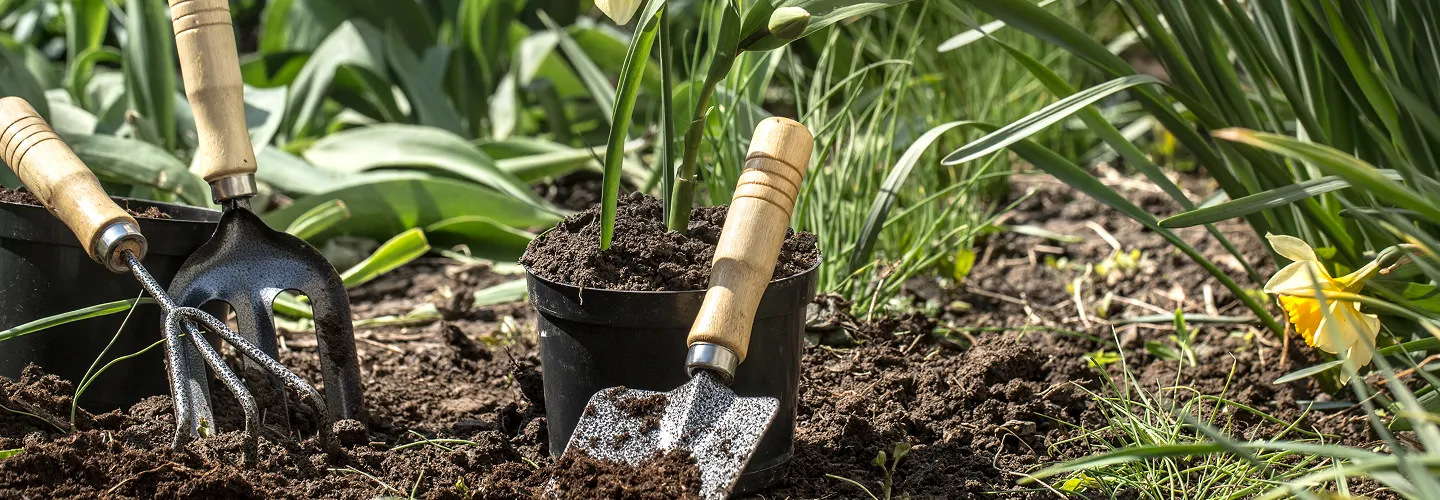
Ingram Lawn Renovation Services
With years of expertise and a passion for perfection, our lawn renovation specialists restore tired, patchy yards into lush, vibrant landscapes — using proven techniques, premium materials, and personalized care that keeps your property looking its absolute best season after season.
Our Ingram Landscaping & Yard Care Services
When to Schedule Lawn Renovation in Ingram, Texas – Seasonal Guide
Ingram, Texas, with its unique blend of Hill Country climate and diverse landscapes, requires careful planning when it comes to lawn renovation. The optimal time for most renovation projects is early fall, after the intense summer heat has subsided but before the first frost arrives—typically late October in neighborhoods like Cypress Springs and along the Guadalupe River. This window allows new grass seed or sod to establish roots in cooler, moist soil, reducing stress from high temperatures and drought risk.
Local environmental factors play a significant role in determining the best timing for your project. Ingram’s variable rainfall, occasional humidity spikes, and the prevalence of rocky, alkaline soils can all impact renovation success. Areas with dense shade from mature oaks in Old Ingram Loop or properties near Ingram Dam may require special attention to soil preparation and grass variety selection. For more information on local environmental guidelines, visit the Sudbury municipal site.
Local Factors to Consider for Lawn Renovation in Ingram
- Tree density and shade coverage, especially in established neighborhoods
- Soil type and drainage, with many properties featuring rocky or alkaline soils
- Seasonal precipitation patterns and drought risk
- Terrain and slope, which can affect water runoff and soil retention
- Municipal watering restrictions or renovation guidelines
- Proximity to landmarks like the Guadalupe River, which may influence microclimates
Benefits of Lawn Renovation in Ingram
Enhanced Curb Appeal and Property Value
Healthier and Greener Lawn Year-Round
Expert Soil Analysis and Preparation
Weed and Pest-Free Landscape Solutions
Water-Efficient Irrigation and Drainage
Locally Trusted Ingram Landscaping Professionals
Ingram Lawn Renovation Types

Full Lawn Replacement
-
Overseeding & Reseeding
-
Sod Installation
-
Aeration & Dethatching
-
Soil Amendment & Grading
-
Drought-Resistant Lawn Conversion
-
Weed Control & Restoration
Our Lawn Renovation Process
Site Evaluation
Design & Planning
Soil Preparation
Planting & Installation
Final Cleanup & Inspection
Why Choose Ingram Landscape Services
Ingram Homeowners Trust Us
-
Years of Landscape Expertise
-
Competitive and Transparent Pricing
-
Licensed and Professional Team
-
Satisfaction Guarantee on Every Job
-
Personalized Service for Every Property
-
Reliable and On-Time Service
-
Locally Owned and Operated in Ingram
Coordinating Lawn Renovation Projects with Ingram's Municipal Infrastructure and Public Works
Lawn renovation in Ingram often involves soil correction, drainage adjustments, and turf replacement that can affect municipal infrastructure along rights-of-way, street drainage paths, and public utility easements. Before beginning any renovation that includes grading changes, irrigation line installation, or significant soil disturbance near roadways or drainage channels, property owners should coordinate with the City of Ingram Public Works department to confirm that proposed work will not obstruct stormwater flow or conflict with underground utilities. Ingram sits at the confluence of Johnson Creek and the Guadalupe River, making drainage coordination especially important for properties near these waterways. The Upper Guadalupe River Authority also provides watershed protection guidance relevant to lawn renovation projects that disturb soil near creek corridors.
- Verify that grading changes do not redirect runoff toward neighboring properties or public drainage infrastructure
- Confirm the location of water and sewer lines before excavating for irrigation or soil amendment work
- Coordinate green waste and debris removal through the city's established disposal procedures
- Contact Public Works regarding any work within or adjacent to the public right-of-way
City of Ingram Public Works
Official Website: City of Ingram Public Works
How Ingram's Hill Country Limestone Soils and Climate Shape Lawn Renovation
Ingram is situated in the Central Texas Hill Country within USDA Hardiness Zone 8b, where conditions differ substantially from the blackland prairies and Gulf Coast flatlands found elsewhere in the state. The region's soils are predominantly shallow, alkaline, and limestone-derived, often with thin topsoil layers over fractite or caliche substrata. These calcareous soils resist water penetration and limit root development, making soil correction a central component of any lawn renovation effort. According to the USDA Web Soil Survey, many Ingram-area properties feature rocky, well-drained soils that lose moisture rapidly during summer drought periods.
- Alkaline pH: Soil pH commonly ranges above 7.5, which can limit iron and phosphorus availability for turf and may require targeted amendment
- Shallow bedrock: Limestone outcrops and thin soil profiles restrict root depth and complicate grading or leveling work
- Aridity and drought cycles: Ingram averages roughly 30 inches of annual rainfall, with extended dry periods from June through September that stress turf and demand efficient irrigation
- Flash-flood exposure: Steep Hill Country terrain produces rapid runoff during heavy rain events, making erosion control and drainage planning essential during renovation
- Temperature extremes: Summer highs regularly exceed 100°F, while occasional hard freezes in winter can damage warm-season turf that has not fully established
These conditions mean that lawn renovation in Ingram must prioritize soil depth improvement, drainage design, and selection of drought-adapted warm-season grasses such as bermudagrass or buffalograss, as recommended by Texas A&M AgriLife Extension.
Navigating Ingram's Local Codes and Environmental Compliance for Lawn Renovation
Property owners undertaking lawn renovation should review the City of Ingram Municipal Code for any provisions related to land disturbance, drainage alteration, or nuisance conditions such as excessive sediment discharge. While Ingram is a smaller municipality that may not require formal permits for routine residential lawn work, any renovation involving significant regrading, retaining structures, or irrigation system installation near property boundaries or floodplain areas may trigger review. The Kerr County Engineer office can provide guidance on drainage and grading concerns that extend beyond city limits into unincorporated areas.
- Pesticide and herbicide applications during renovation must comply with Texas Agriculture Code, Chapter 76, which requires commercial applicators to hold a valid license through the Texas Department of Agriculture
- Fertilizer use is governed under Texas Agriculture Code, Chapter 63; soil testing should precede any nutrient application to prevent excess runoff into Johnson Creek or the Guadalupe River
- Sediment and debris from renovation work must not enter storm drains, roadside ditches, or creek channels, consistent with Clean Water Act stormwater protections
- Irrigation system modifications should account for any local or regional water conservation measures, particularly during drought stages declared by the Upper Guadalupe River Authority
Upper Guadalupe River Authority
Official Website: Upper Guadalupe River Authority
Kerr County Engineer
Official Website: Kerr County Engineer
Timing and Methods for Lawn Renovation in Ingram's Semi-Arid Hill Country Climate
Successful lawn renovation in Ingram depends on aligning soil preparation, turf establishment, and irrigation scheduling with the region's narrow windows of favorable growing conditions. The AggieTurf program at Texas A&M provides regionally calibrated guidance for warm-season turf establishment that applies directly to Hill Country properties.
- Soil correction timing: Amend shallow, alkaline soils with compost or expanded shale during spring (March–April) or early fall (September–October) when temperatures allow microbial activity without extreme heat stress
- Turf selection: Bermudagrass and buffalograss tolerate Ingram's alkaline soils, heat, and periodic drought; zoysiagrass may perform in irrigated, partially shaded areas but requires more water
- Establishment window: Sod or sprigging of warm-season grasses should occur between late April and mid-June, when soil temperatures consistently exceed 65°F and before peak summer heat reduces establishment success
- Drainage repair: Address low spots, compacted areas, and slope erosion before planting; Hill Country properties frequently require French drains or swale grading to manage flash-runoff events
- Irrigation audit: Existing irrigation systems should be pressure-tested and adjusted for head-to-head coverage before new turf is installed; drip conversion may be appropriate for bed areas adjacent to renovated lawn zones
- Post-renovation monitoring: Newly established turf requires consistent moisture for the first four to six weeks, followed by a gradual transition to deeper, less frequent watering to encourage root penetration into amended soil layers
What Neighborhoods Do We Serve Throughout Ingram, TX?
- Ingram Hills: Properties in this area often feature sloped lots with shallow limestone soils, requiring careful grading and erosion control during lawn renovation projects.
- Old Ingram / Arts District: Older residential lots near the Guadalupe River may have mature tree canopy and compacted soils that demand shade-tolerant turf selection and thorough soil amendment.
- Highway 39 Corridor: Homes along this corridor experience reflected heat from pavement and may require irrigation system upgrades and heat-tolerant bermudagrass varieties for successful renovation.
- Johnson Creek Area: Properties adjacent to Johnson Creek face flash-flood exposure and must incorporate sediment control and drainage planning into any lawn renovation scope.
- West Ingram / FM 1340 Vicinity: Larger rural-residential lots in this area often have rocky, unimproved soils that benefit from deep compost incorporation and buffalograss or native turf conversion.
- Kerrville-Ingram Border Area: Subdivisions near the Kerrville city limit may be subject to both municipal and county drainage standards, requiring coordination with the Kerr County Engineer for grading work.